gvSIG en la radio

Ayer tuve la oportunidad de hablar sobre Sistemas de Información Geográfica, geomática libre y gvSIG en la Cadena COPE, una emisora de radio de España y dentro de un programa dedicado al Colegio Oficial de Ingeniería Geomática y Topográfica. Toda una experiencia esto de estrenarse en las ondas.

Os dejo con la grabación:

http://www.ivoox.com/2016-02-10-coigt-hablando-sig-gis-audios-mp3_rf_10387856_1.html

radio

Posted in opinion, press office, spanish | 2 Comments

HydroloGIS joins the gvSIG Association

Valencia, Spain – Bolzano, Italy – February 10, 2016

HydroloGIS, the company behind the open source projects Geopaparazzi and JGrasstools, has officially joined the gvSIG Association.

What this small Italian based company brings to the Association, is the expertise of their environmental engineers in the fields of hydro-geomorphological analyses and risk mapping, as well as water management, processing of LiDAR data and digital field mapping. The reason their experts were keen to join the development model of the gvSIG Association was mainly the fact that it is based on knowledge sharing, solidarity and cooperation, three principles which reflect the way HydroloGIS was conceived from the outset and the way it has evolved over the past 11 years.

This new member adds a range of new tools related to hydrology, hydraulic and geomorphology to the already substantial product catalog created by the member companies DISID, Scolab, ICarto and Creativa:

  • gvSIG Desktop, the Open Source Geographic Information System
  • gvSIG Roads, a solution for road infrastructure management based on a free applications suite
  • gvSIG Online, a web platform dedicated to fast deployment of location aware websites
  • gvNIX, a tool for rapid web application development

“For HydroloGIS this is a win-win situation. We can now better concentrate on our core business of scientific environmental modeling and mobile application development. Together with the gvSIG Association we are able to offer our solutions at any level of the software stack, whether it’s web, desktop GIS or mobile. The Association’s strong commitment to open source, cooperation and solidarity reflects everything HydroloGIS believes in”, declared the founders of HydroloGIS.

Alvaro Anguix, general manager of the gvSIG Association, stated about the new member company: “We are satisfied with the incorporation of HydroloGIS in the gvSIG Association. On the one hand, we increase our know-how with experts in strategic sectors like water management, and our development ability, relying on developers on recognized geoprocessing and LiDAR tools like JGrasstools, and GIS for mobile devices, like Geopaparazzi. On the other hand, the incorporation of a new company, in this case at a European level, is a further step toward the consolidation of a business model based on solidarity, collaboration and shared knowledge.”

About the gvSIG Association

The gvSIG Association is an open international non-profit organization. Its members, all of which are SME’s and organizations internationally renowned for their expertise on geomatics, are involved in the development of the gvSIG project and the diffusion of the FOSS4G (Free and Open Source Software for Geospatial). At present the gvSIG Association consists of one of the biggest network of experts in free geomatic software world-wide. The gvSIG Association offers services at the highest professional standard, as their numerous references will testify. The open source philosophy of the gvSIG Association is implemented by activating a complete knowledge transfer to its clients, supplying them with binaries, source code, documentation as well as a comprehensive training programme of the services provided. More at www.gvsig.org.

About HydroloGIS

HydroloGIS is an Environmental Engineering Company whose aim it is to correlate IT and engineering through the development and the application of environmental models in support of the engineering design. The environmental models for the evaluation of the variables necessary for the engineering design are developed in co-operation with the Department of Environmental and Civil Engineering of the University of Trento. In addition HydroloGIS actively co-operates in research projects with the University of Bolzano. More at www.hydrologis.com.

Contacts:
Alvaro Anguix
gvSIG Association
info@gvsig.org

Silvia Franceschi
HydroloGIS
info@hydrologis.com

Posted in Business, english, gvSIG Association | 1 Comment

Libro: Laboratorio di gvSIG applicato all’Urbanistica

gvsig_urban

Pubblichiamo il libro “Laboratorio di gvSIG applicato all’Urbanistica“, tradotto in italiano da Alessandra Massenti, basato sui vari laboratori che abbiamo realizzato durante le Giornate gvSIG dell’anno appena trascorso.
L’obiettivo del workshop è quello di mostrare attraverso una serie di esercizi applicativi
l’utilità di gvSIG nel settore dell’Urbanistica.
Il workshop non ha la pretesa di affrontare in maniera approfondita l’applicazione dei Sistemi Informativi Geografici nel settore urbanistico, tuttavia può servire come
introduzione per suscitare interesse di urbanisti e pianificatori verso gvSIG.
Download:


Posted in gvSIG Desktop, Italian, training | Tagged | 1 Comment

Georreferenciación de cartografía histórica con gvSIG (vídeo)

El pasado viernes y como parte del Máster de Valoración, Catastro y Sistemas de Información Territorial de la Universidad Miguel Hernández de Elche se realizaron una serie de webinars, entre los que destacamos el denominado “Georreferenciación de cartografía histórica con gvSIG”.

Os dejamos con el enlace a la grabación del webinar:

Una oportunidad para asistir a esta clase magistral de uso de geomática libre aplicada a la cartografía histórica.

Posted in events, gvSIG Desktop, spanish | Tagged , , | 1 Comment

Político, promete TIC que te sale barato

Imaginemos al representante político de turno visitando un barrio y prometiendo a los vecinos que se va a construir un centro de salud para atender sus necesidades. Da igual que sea un centro de salud, un colegio, un polideportivo o la variante de una carretera. Desde el primer momento todos asumen de forma natural dos cosas: En primer lugar que para llevar adelante dicha promesa será necesario que haya un dinero, una licitación y una contratación; y en segundo lugar, seguro que nadie piensa que va a pasar por el solar y a la siguiente semana ya va a estar allí el centro de salud construido.

Es posible que el político del que estamos hablando tenga voluntad transformadora, que vea que hay cosas que no funcionan, que hay mucho por hacer para el bien de la Comunidad, pero claro hacer realidad las promesas llevan su tiempo. ¿Seguro? ¿Todo? Por supuesto que no, hay cosas que puedes prometer y en breve construir. Las TIC.

Político, piensa en cualquier solución que pueda resultar un aporte para tu ciudadanía. Sea el ámbito que sea, Judicial, Educativo, Sanitario, Industria, Agrícola, etc ¿Que esos cambios implican cambios legislativos que suponen impacto en los Sistemas de Información? Que más da, si todo el mundo sabe que esto de la informática es darle a una tecla. Total, como si la tecnología influyera en los procesos sociales, productivos, económicos o financieros en el Siglo XXI. Como si para dar salida a nuevas propuestas u ocurrencias no fueran necesarios procesos telemáticos y adaptar o modificar Sistemas de Información.

Ahora va a resultar que para hacer una promesa que tenga impacto TIC, va a ser necesario que se disponga de recursos económicos, y que estos tomen forma en un proceso de licitación y contratación. Además me querrás decir que cuando estén los contratos adjudicados, va a resultar que se va a necesitar un tiempo para construirse y estar en disposición de ser utilizados. Pero que se creen esto de las TIC, ¿Acaso pensaran que están hablando de procedimientos de ingeniería que llevan sus tiempos?

Y mira que está mal que estos de las TIC pongan pegas en que se ha de armar un expediente administrativo para el proceso de contratación. Seguro que son capaces de quejarse de que tienen que hablar con interventores y abogacías con nula especialización en el sector. Son capaces de decir que si desde que se inicia el procedimiento hasta que finaliza transcurre un año, en ese lapso de tiempo la tecnología ha avanzado de forma que la correspondencia entre el objeto del contrato y su implementación no es la óptima en ese momento.

A lo mejor el político quiere cambiarse el teléfono móvil cada seis meses porque se le queda obsoleto. ¿Pero la tecnología de los Sistemas de Información? Y bueno, el capricho de querer tener ya interlocutores jurídicos con especialización en el sector TIC, eso debe ser ya cosa de excéntricos.

Uf, y si esta es la situación, si esta es la visión del rol y los tiempos de los procesos tecnológicos que tienen los representantes políticos, si además hay que explicarles que estamos hablando de un Sector Estratégico y el papel del Software Libre como garante de Soberanía Tecnológica. Como se dice en Valencia: Ai mare, quant treball tenim per davant

@GabrielCarrionR

Posted in opinion, spanish | 1 Comment

II gvSIG Chair Contest


Cartel gvSIG-catedra-II-ingles

The gvSIG Chair Contest is announced for the second year to reward works about free Geographic Information Systems, in university world as well as in learning one. 

The aim of these awards is to foment gvSIG use in particular and free geospatial technologies in general, as well as to encourage all gvSIG and free Geographic Information Systems users to share and give visibility to their work.

Awards are aimed at students or graduates in secondary school or professional training, university students or graduates and university teachers, and researchers from all the countries.

At the next link you can find more information about dates, type of works accepted, amount of prizes, etc. (in Spanish):

http://gvsig.edu.umh.es/ii-concurso-catedra-gvsig/bases-ii-concurso/

You can see the video of the International gvSIG Conference where the winners of the last edition were presented:

And the video of the project rewarded at the last edition:


Posted in community, english, gvSIG Association, gvSIG Desktop, press office | 1 Comment

II Concurso Cátedra gvSIG

Cartel-concurso-gvSIG-e1454354155281

Por segundo año se convoca el Concurso Cátedra gvSIG que premia trabajos realizados con Sistemas de Información Geográfica Libres, tanto en ámbitos universitarios como de enseñanza.

Estos premios tienen como objetivo fomentar el uso de gvSIG en particular y de las tecnologías geoespaciales libres en general, así como animar a todos los usuarios de gvSIG y Sistemas de Información Geográfica libres a que compartan y den visibilidad a sus trabajos.

Los premios están dirigidos a estudiantes o egresados de secundaria y formación profesional, estudiantes o egresados universitarios y profesores universitarios e investigadores de todos los países.

En el siguiente enlace podéis encontrar más información sobre plazos, tipos de trabajos aceptados, cuantía de los premios, criterios de valoración, etc:

http://gvsig.edu.umh.es/ii-concurso-catedra-gvsig/bases-ii-concurso/

Podéis consultar los ganadores de la edición anterior y acceder a los trabajos en:

https://blog.gvsig.org/2015/12/21/i-concurso-catedra-gvsig-ganadores/

Así como el vídeo de las Jornadas Internacionales gvSIG donde se dieron a conocer los ganadores:

Y el vídeo de presentación de la tesis premiada en la edición anterior:


Posted in community, press office, spanish | Tagged , , , | 2 Comments

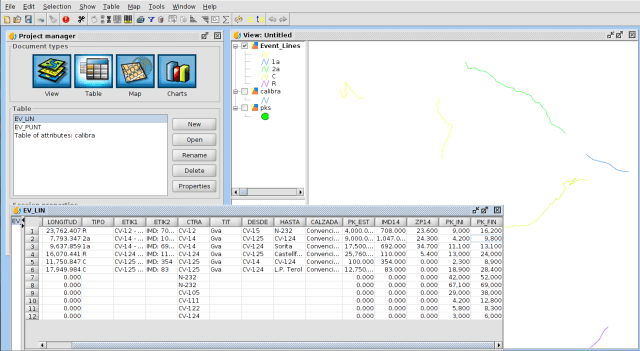
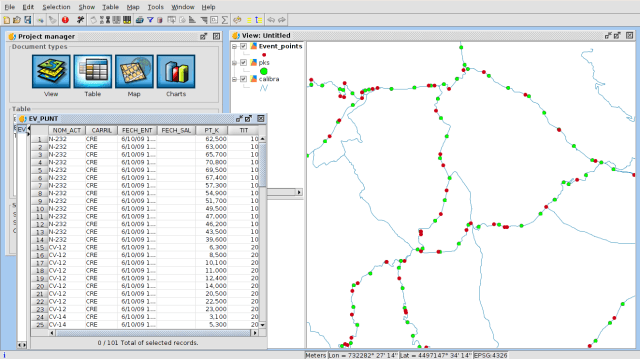
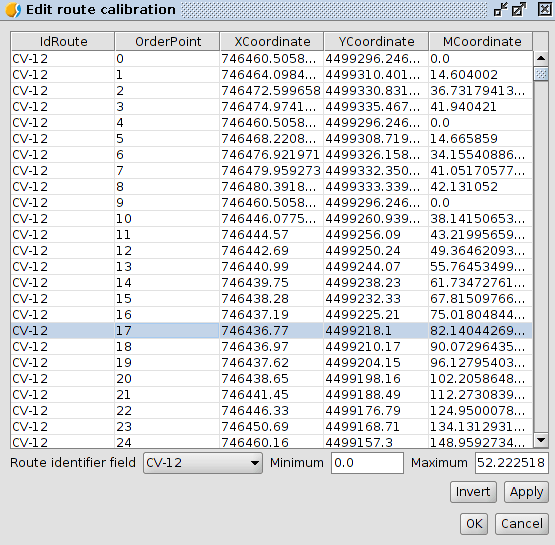
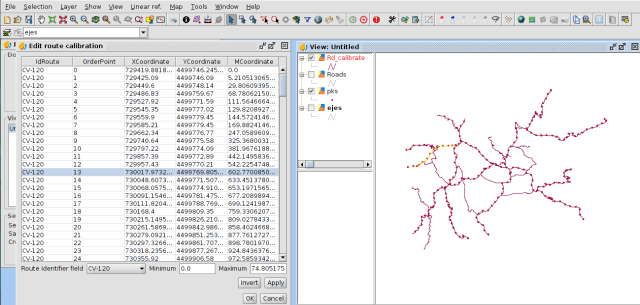
gvSIG Roads, gestión de carreteras con software libre: Vídeos de la aplicación y webinar disponible

Como ya hemos comentado en post prevíos, gvSIG Roads es un nuevo producto de la Asociación gvSIG para la gestión integral de carreteras.

Lo que hoy os mostramos son una serie de vídeos para que podáis conocer más en detalle la aplicación. Estos vídeos están explicados en un webinar recientemente realizado sobre gvSIG Roads.

Flujo de trabajo, gestión de incidencias…

Flujo de trabajo, gestión de incidencias e inventario

Creación de inventario

Control económico

Creación de incidencias en dispositivo móvil

Creación de inventario en dispositivo móvil

Creación de tramos con gvSIG Desktop

Modificación de tramos con gvSIG Desktop

El vídeo con la grabación del webinar con la explicación detallada de gvSIG Roads, más la contestación de las preguntas de los asistentes podéis encontrarlo en el siguiente enlace:

Nota: En la primera media hora del webinar hubo unos pequeños problemas técnicos con el audio, que fueron solventados posteriormente.

Si estás interesado en implantar gvSIG Roads en tú organización, contacta con nosotros: info@gvsig.com. Además de contar con los mejores expertos en geomática libre estarás ayudando al mantenimiento y desarrollo de la tecnología gvSIG.

Post relacionados:

Posted in spanish | 1 Comment

Webinar “Georreferenciación de cartografía histórica con gvSIG”

El próximo viernes día 5 de febrero de 2016 se realizará el webinar “Georeferenciación de cartografía histórica con gvSIG”.

El webinar tendrá lugar a las 11:00-UTC (ver horario según localización), y será impartido por Manuel Madrid García, profesor del Máster en Valoración, Catastro y Sistemas de Información Territorial, de la Universidad Miguel Hernández de Elche.

La cartografía histórica tiene un indudable valor documental ya que los mapas antiguos son descripciones gráficas rigurosas de un determinado lugar o territorio en un momento concreto de la historia. Cuando además somos capaces de superponer un mapa antiguo sobre uno actual, el valor documental del primero es todavía mayor ya que somos capaces de visualizar la evolución del territorio a lo largo del tiempo. Dado que la mayoría de mapas antiguos están en soporte papel, para conseguir esta superposición es necesario digitalizarlos y dotarlos de coordenadas absolutas referidas a un sistema global, lo que se conoce como georreferenciación. En este seminario se mostrarán técnicas de georreferenciación de mapas antiguos utilizando el Sistema de Información Geográfica libre gvSIG.

Los participantes del webinar podrán realizar preguntas en directo y realizar comentarios mediante el hashtag #georrefgvsig.

Este seminario estará accesible en directo desde el canal de YouTube del servicio de innovación docente de la Universidad Miguel Hernández de Elche.

Posted in community, events, gvSIG Desktop, spanish, training | 3 Comments

How to export layers from gvSIG for loading them in Google Earth

From gvSIG we can export our vector layers (parcels, roads, rivers…) and load them in Google Earth. Layers that we create, as well as layers downloaded from the different public administrations websites, can be visualized in Google Earth, exporting them from gvSIG.

Google_Earth_1

To be able to load that information in Google Earth we must have it in KML format, that is the vector format supported by it, so we have to export our SHP file to a new layer.

For that, we have to load the layer in a View in gvSIG, and put it in active mode. Then we’ll go to ‘Layer’->’Export to…’ menu.

At the first window we’ll select the KML format as export format.

Then, at the next window we’ll be able to mark the “Show attributes in balloon” option, that would allow us to get the information from the attribute table when we click on an element in Google Earth. In case we have the view and the layer in gvSIG in a reference system different to the supported one in Google Earth, (geographic coordinates, WGS84 Datum, EPSG4326), it would allow us to select the option to export the layer in that reference system. At this way it would be visualized correctly in Google Earth.

At the next window we would indicate the output file, and at the end window we would indicate what elements we want to export (all the elements, only the selected ones at that moment on the layer or the elements that meet a requirement by a filter).

The KML file that has been created will be the file that we will be able to load in Google Earth. For that, once the application is open, we go to the File->Open menu. When we select the KML file from our computer it will zoom on the area where our cartography is.

If we had marked the option to show the information of the attributes, when we click on them a box will be opened with that information.

Google_Earth_2

If the layer is made up by a line, like a footpath, we would be able to fly along the path in an automatic way.

Here you can see a video about how to do it:

We hope you enjoy it!


Posted in english, gvSIG Desktop | Tagged | 4 Comments